
Facility managers today face a growing challenge: maintaining occupant comfort, controlling energy costs, managing increasingly complex building systems, and ensuring operational efficiency across an entire property portfolio. As commercial buildings become more connected, these responsibilities can quickly overwhelm even the most experienced teams.
That’s where a Building Automation System (BAS) comes in. Modern building automation systems give facility managers centralized control over critical building functions, allowing them to monitor, adjust, and optimize performance from a single platform. Whether managing HVAC equipment, lighting, access control, security systems, or energy consumption, a BAS serves as the digital backbone of today’s smart buildings.
While modern BAS platforms can integrate a wide range of building systems, Georgia Mechanical specializes in HVAC automation, controls, and equipment optimization for commercial facilities.
In this guide, we’ll explain what a BAS is, what it controls, how it works, and why facility managers are increasingly investing in building automation solutions. We’ll also explore how Georgia Mechanical partners with industry-leading technologies from Honeywell Building Systems, Carrier i-Vu®, and AAON Building Controls to deliver reliable, scalable HVAC automation solutions for commercial facilities.
What Is a Building Automation System (BAS)?
A Building Automation System (BAS) is a centralized network of hardware and software that monitors and controls a building’s mechanical, electrical, and operational systems. Depending on the facility and platform, a BAS may integrate HVAC, lighting, security, energy management, and other building systems through a single interface.
The primary goal of a BAS is to improve energy efficiency, enhance occupant comfort, and streamline building operations through automated control and real-time monitoring.
A BAS continuously collects information from sensors installed throughout a facility. These sensors measure variables such as temperature, humidity, occupancy, pressure, airflow, and equipment performance. The system then uses controllers, actuators, and programmed logic to automatically adjust building systems based on current conditions.
In many facilities, the terms BAS and Building Management System (BMS) are used interchangeably. Both refer to integrated platforms that enable facility management teams to oversee multiple building functions through a single user interface.
The result is a more intelligent, responsive building that requires less manual intervention while delivering better performance.
Why Building Automation Systems Matter
Commercial buildings consume substantial amounts of energy, much of which can be wasted through inefficient scheduling, equipment operation, or inconsistent maintenance practices. Facility managers are under constant pressure to reduce operating expenses while maintaining comfort and reliability.
A BAS addresses these challenges by:
- Automating routine building functions
- Improving energy management capabilities
- Providing real-time data on equipment performance
- Reducing unnecessary energy consumption
- Supporting preventative maintenance initiatives
- Enhancing occupant comfort
- Improving building performance
- Simplifying facility management activities
For organizations focused on sustainability, building automation systems also help reduce a facility’s carbon footprint and support green building initiatives by minimizing waste and optimizing resource usage.
Core Components of a BAS

Sensors
Sensors act as the eyes and ears of the system. They gather data from throughout the building and provide critical information needed for automation decisions.
Common sensors include:
- Temperature sensors
- Humidity sensors
- Pressure sensors
- Air quality sensors
- Occupancy sensors
- Flow sensors
- Carbon dioxide sensors
Occupancy sensors are particularly valuable because they enable automated scheduling based on actual building usage rather than fixed assumptions.
Controllers
Controllers function as the brain of a BAS. They receive information from sensors, analyze conditions according to programmed logic, and determine the appropriate response.
Controllers can regulate:
- HVAC equipment
- Lighting systems
- Dampers
- Variable frequency drives
- Security systems
- Access control devices
While BAS platforms are capable of controlling many building systems, Georgia Mechanical’s automation services are focused on HVAC equipment and related mechanical systems.
Modern controllers process thousands of data points each day to ensure systems operate efficiently.
Actuators and Output Devices
Once controllers determine the appropriate response, actuators and output devices carry out the adjustments.
Examples include:
- Opening or closing dampers
- Adjusting valve positions
- Modulating airflow
- Activating lighting circuits
- Managing equipment start and stop sequences
Actuators translate digital commands into physical actions that affect building conditions.
User Interface
A BAS user interface provides centralized visibility into building operations.
Through a web-based dashboard, facility managers can:
- View equipment status
- Monitor alarms
- Adjust schedules
- Analyze historical trends
- Generate performance reports
- Review energy consumption data
Instead of walking throughout a facility to manually inspect systems, personnel can view critical information from a single screen.
What Does a BAS Control?
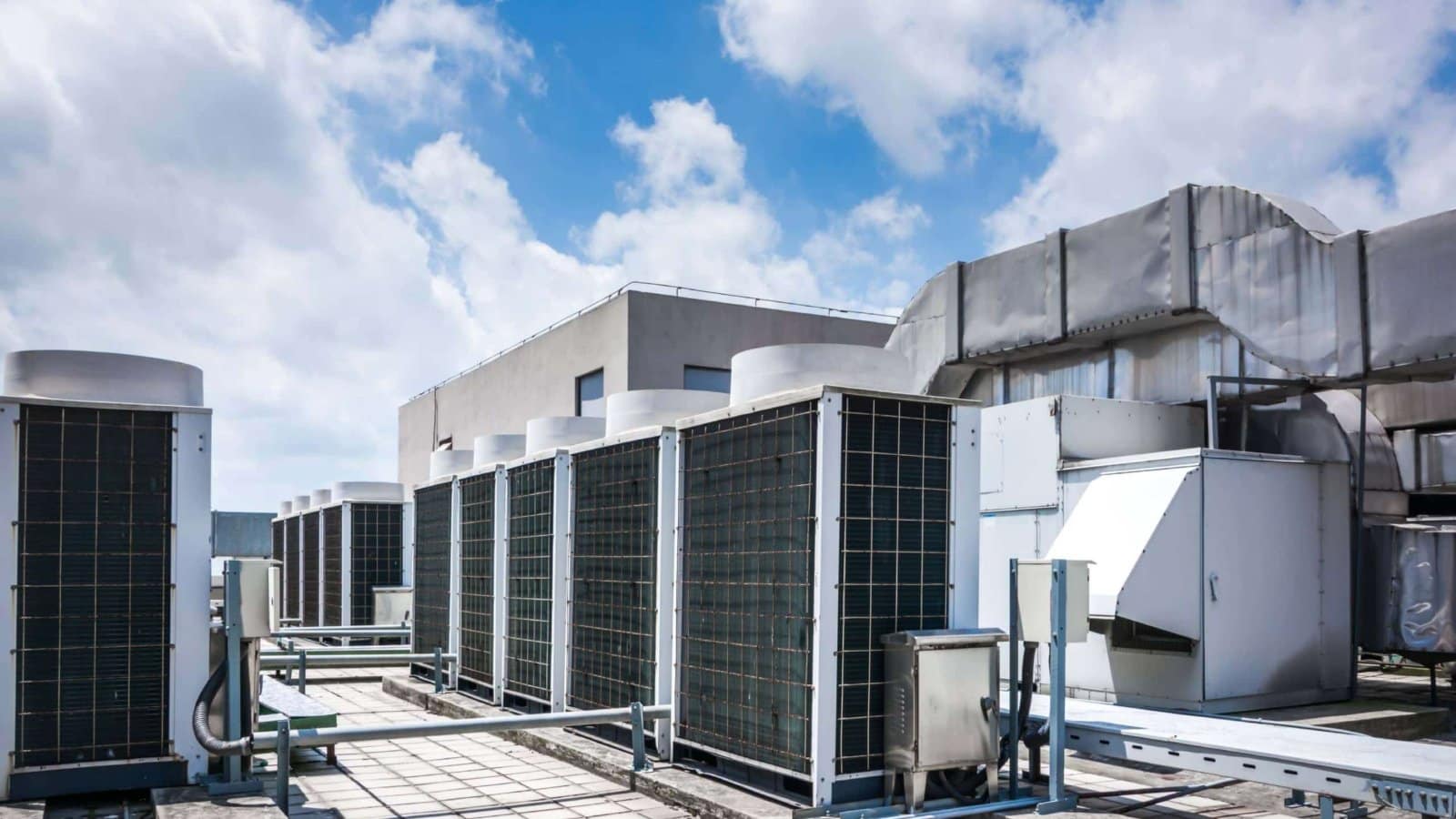
Building automation systems can oversee a wide range of building functions. Georgia Mechanical’s building automation expertise is focused on HVAC systems and mechanical equipment controls, though many BAS platforms are capable of integrating with additional building systems such as lighting, security, and energy monitoring.
HVAC Systems
The most common application for building automation systems is HVAC control.
HVAC systems account for a substantial portion of commercial building energy consumption. A BAS helps optimize heating, ventilation, and air conditioning operations by continuously monitoring conditions and making automatic adjustments.
A BAS can manage:
- Air handling units
- Rooftop units
- Chillers
- Boilers
- Heat pumps
- Variable air volume boxes
- Exhaust fans
- Make-up air units
HVAC controls use input from sensors and thermostats to maintain ideal comfort conditions while minimizing energy waste.
Instead of running equipment at full capacity all day, the BAS adjusts operation based on occupancy, weather, schedules, and actual demand.
Lighting Systems
Lighting is another major area where automation delivers significant savings.
A BAS can control lighting throughout a facility by:
- Scheduling lights based on operating hours
- Utilizing occupancy sensors
- Integrating daylight harvesting strategies
- Automatically reducing lighting during low-use periods
- Managing lighting zones individually
By integrating lighting controls with occupancy data, facilities can significantly reduce unnecessary energy usage without sacrificing functionality.
Access Control and Security Systems
Modern BAS platforms often integrate security systems and access control functionality to improve overall building coordination.
Examples include:
- Card access systems
- Door scheduling
- Visitor management integration
- Security monitoring
- Alarm notifications
When systems communicate with one another, facility managers gain greater awareness and control over building activity.
Energy Management Systems
Energy management systems are among the most valuable applications of BAS technology.
Through continuous monitoring, facility managers can identify:
- Excessive energy usage
- Equipment inefficiencies
- Scheduling issues
- Operational abnormalities
- Utility demand spikes
Real-time data enables organizations to make informed decisions that improve energy efficiency and reduce utility costs.
Fire Safety Systems
Many facilities integrate BAS platforms with fire alarm systems, smoke detectors, and other fire safety infrastructure.
While life-safety systems generally remain independent for code compliance, BAS integration can provide valuable monitoring, notification, and operational awareness during emergencies.
For example, automation sequences may coordinate HVAC shutdown procedures during a fire event to limit smoke migration throughout a facility.
Elevators and Additional Building Systems
Advanced building management systems may also monitor:
- Elevators
- Water systems
- Electrical distribution
- Generators
- Pumping systems
- Renewable energy assets
The overarching goal is centralized visibility across critical infrastructure.
How a BAS Brings Everything Together
Perhaps the greatest benefit of a BAS is integration.
Traditionally, HVAC, lighting, security, and energy systems operated independently. Facility personnel often needed multiple software platforms and separate vendors to manage building operations.
Today’s BAS platforms can consolidate these systems through a unified user interface.
In fully integrated BAS environments:
- Occupancy sensors detect building usage
- Lighting automatically turns on as occupants arrive
- HVAC adjusts temperatures based on occupancy levels
- Access control tracks entry activity
- Energy management systems record consumption patterns
- Facility staff receive alerts when equipment operates outside expected parameters
Georgia Mechanical primarily focuses on the HVAC side of these integrations, helping facility managers optimize comfort, efficiency, and equipment performance.
Open Protocols and BACnet Integration
Interoperability is critical when selecting a BAS.
Many facilities contain equipment from multiple manufacturers. Without standardized communication protocols, integrating these systems becomes difficult and expensive.
That’s why modern building automation solutions rely on open protocols such as BACnet.
Benefits of BACnet include:
- Vendor flexibility
- Easier system expansion
- Improved interoperability
- Reduced long-term operating costs
- Simplified upgrades
For facility managers, open protocols provide greater freedom when selecting future equipment and technology investments.
BAS and the Internet of Things (IoT)

The rise of the Internet of Things (IoT) has significantly accelerated BAS capabilities.
Examples of IoT-enabled BAS applications include:
- Wireless sensors
- Remote monitoring
- Cloud-based analytics
- Mobile access
- Predictive maintenance tools
The combination of BAS and IoT technologies creates a more responsive, data-driven environment that supports better operational decision-making.
Artificial Intelligence and the Future of Building Automation
Artificial intelligence is playing an increasingly important role in building automation systems.
Potential applications include:
- Predictive maintenance
- Advanced fault detection
- Load forecasting
- Automated energy optimization
- Occupancy prediction
- Equipment performance analytics
As artificial intelligence continues to evolve, facility managers will gain access to even more powerful tools for managing complex buildings.
Benefits of BAS for Facility Managers
Improved Energy Efficiency
A BAS continuously monitors consumption and adjusts system operation based on actual demand. This reduces unnecessary energy use and supports sustainability initiatives.
Enhanced Occupant Comfort
Consistent temperature control, proper ventilation, and optimized indoor environmental conditions improve the occupant experience while supporting productivity and satisfaction.
Better Operational Efficiency
Automation reduces manual intervention and allows maintenance teams to focus on higher-value activities rather than routine adjustments.
Reduced Downtime
Continuous monitoring helps identify issues before they become costly failures.
Centralized Management
A BAS provides centralized visibility into connected building systems. For Georgia Mechanical customers, that visibility is typically focused on HVAC equipment, controls, alarms, schedules, and performance data.
Improved Building Performance
Data-driven decision-making helps organizations maximize asset performance and extend equipment life cycles.
Georgia Mechanical’s Building Automation Expertise

At Georgia Mechanical, we understand that no two facilities operate exactly alike. That’s why we design and implement customized HVAC-focused building automation solutions tailored to each facility’s operational requirements, goals, and infrastructure.
Our experienced team works closely with facility managers to improve comfort, reduce energy consumption, increase equipment visibility, and enhance operational reliability. By leveraging advanced controls and real-time performance data, we help facilities optimize their HVAC systems for long-term efficiency and performance.
To deliver industry-leading results, Georgia Mechanical partners with trusted manufacturers and technology providers, including:
Honeywell Building Systems
Honeywell Building Systems provides advanced automation technologies that help organizations optimize HVAC performance, improve operational efficiency, and enhance occupant comfort through intelligent controls.
Carrier i-Vu®
Carrier’s i-Vu® platform delivers advanced HVAC controls, centralized equipment visibility, analytics, scheduling capabilities, and performance monitoring tools that help facility managers operate their HVAC systems more effectively.
AAON Building Controls
AAON Building Controls provides advanced HVAC automation and equipment management solutions designed to maximize system performance, simplify facility operations, and support long-term energy efficiency goals.
Together, these partnerships allow Georgia Mechanical to deliver flexible, future-ready HVAC automation solutions that support the evolving needs of commercial building owners and facility managers.
Choosing the Right BAS for Your Facility
When evaluating a BAS, facility managers should consider:
- System scalability
- BACnet compatibility
- Open protocols
- User interface usability
- Integration capabilities
- Long-term service support
- Analytics and reporting tools
- Future AI and IoT readiness
The right platform should not only address current operational needs but also support future growth and technology adoption.
Conclusion
A Building Automation System is far more than a simple controls package. It is a centralized intelligence platform that connects HVAC, lighting, access control, security systems, energy management systems, and other essential building functions into a unified ecosystem.
By integrating sensors, controllers, actuators, communication protocols, and real-time monitoring, a BAS helps facility managers improve energy efficiency, maintain occupant comfort, reduce operational costs, and optimize overall building performance.
As smart buildings continue to evolve through IoT connectivity and artificial intelligence, building automation systems will play an even greater role in shaping the future of facility management.
At Georgia Mechanical, our focus is on helping facility managers maximize the performance, efficiency, and reliability of their HVAC systems through advanced building automation and controls solutions.
Whether you’re upgrading an aging controls platform or implementing automation in a new facility, Georgia Mechanical can help you navigate the process with proven expertise and trusted solutions from Honeywell Building Systems, Carrier i-Vu®, and AAON Building Controls.
Ready to improve HVAC performance, reduce energy costs, and gain greater visibility into your mechanical systems? Contact Georgia Mechanical to learn how a customized HVAC-focused building automation solution can improve efficiency, reliability, and occupant comfort across your facility.